
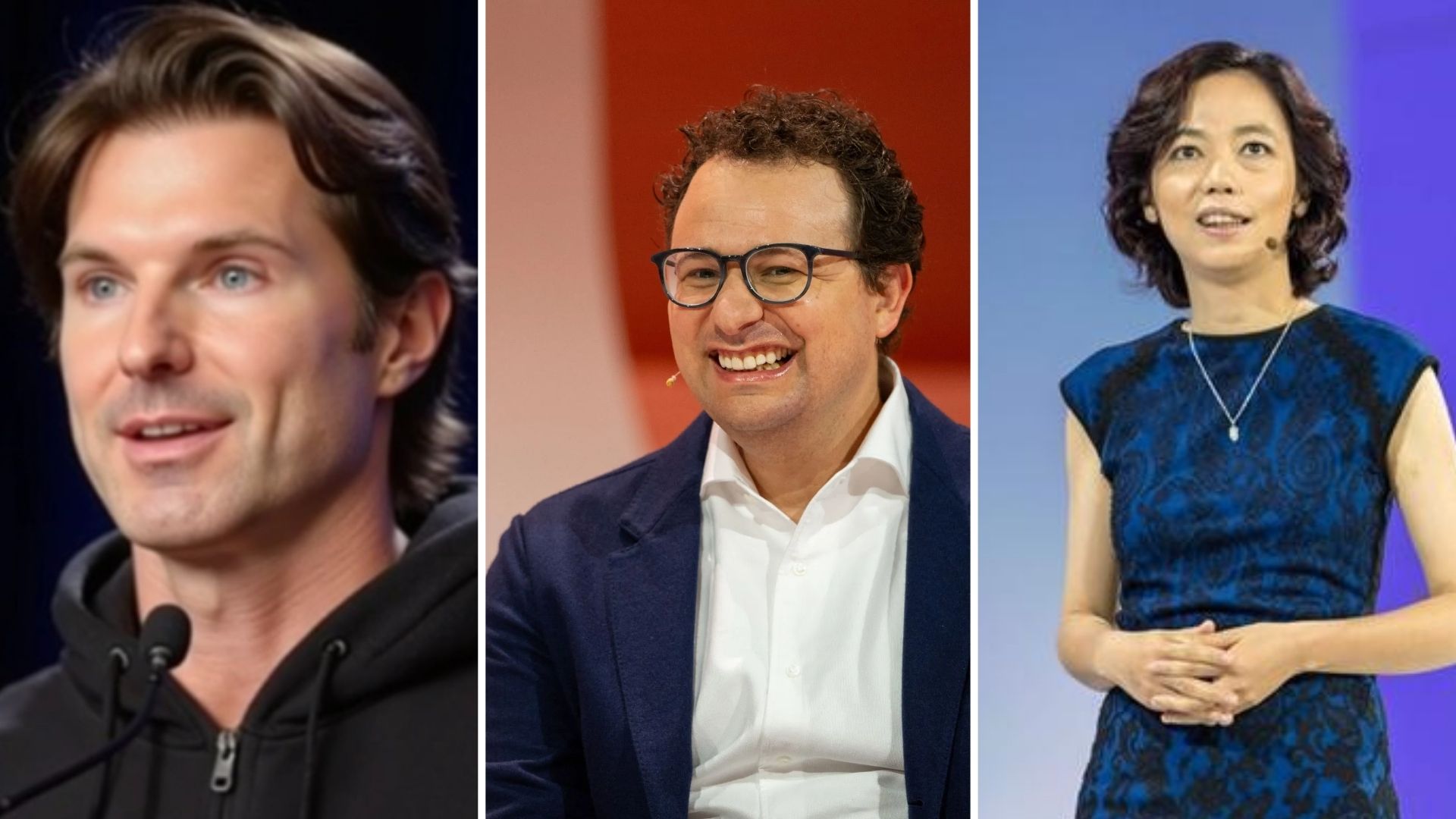
While figures like Sam Altman, Demis Hassabis, and Jensen Huang are often in the AI spotlight, a group of lesser-known innovators is quietly steering the technology toward transformative new directions. Their contributions may not yet be widely recognized, but they are laying the groundwork for AI’s most important next steps.
Fei-Fei Li — Guiding AI Toward Human-Centered Values
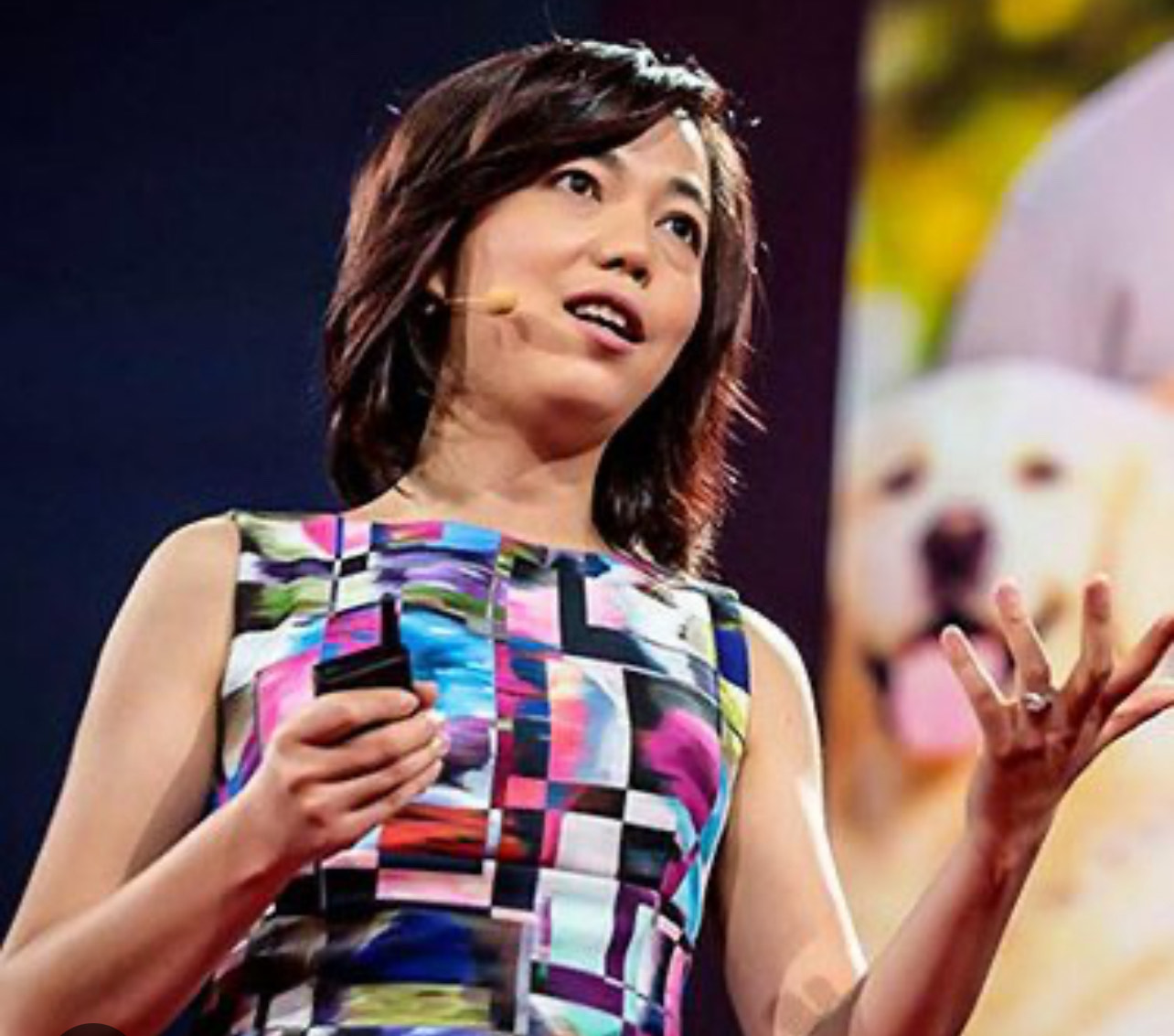
Role: Co-Director, Stanford Human-Centered AI Institute
Fei-Fei Li’s leadership of the ImageNet project helped launch the deep learning era. Today, she’s focused on ensuring AI development is grounded in ethics, inclusivity, and societal benefit, creating frameworks that could define global standards for responsible AI.
Dario Amodei — Shaping Safe AI at Scale
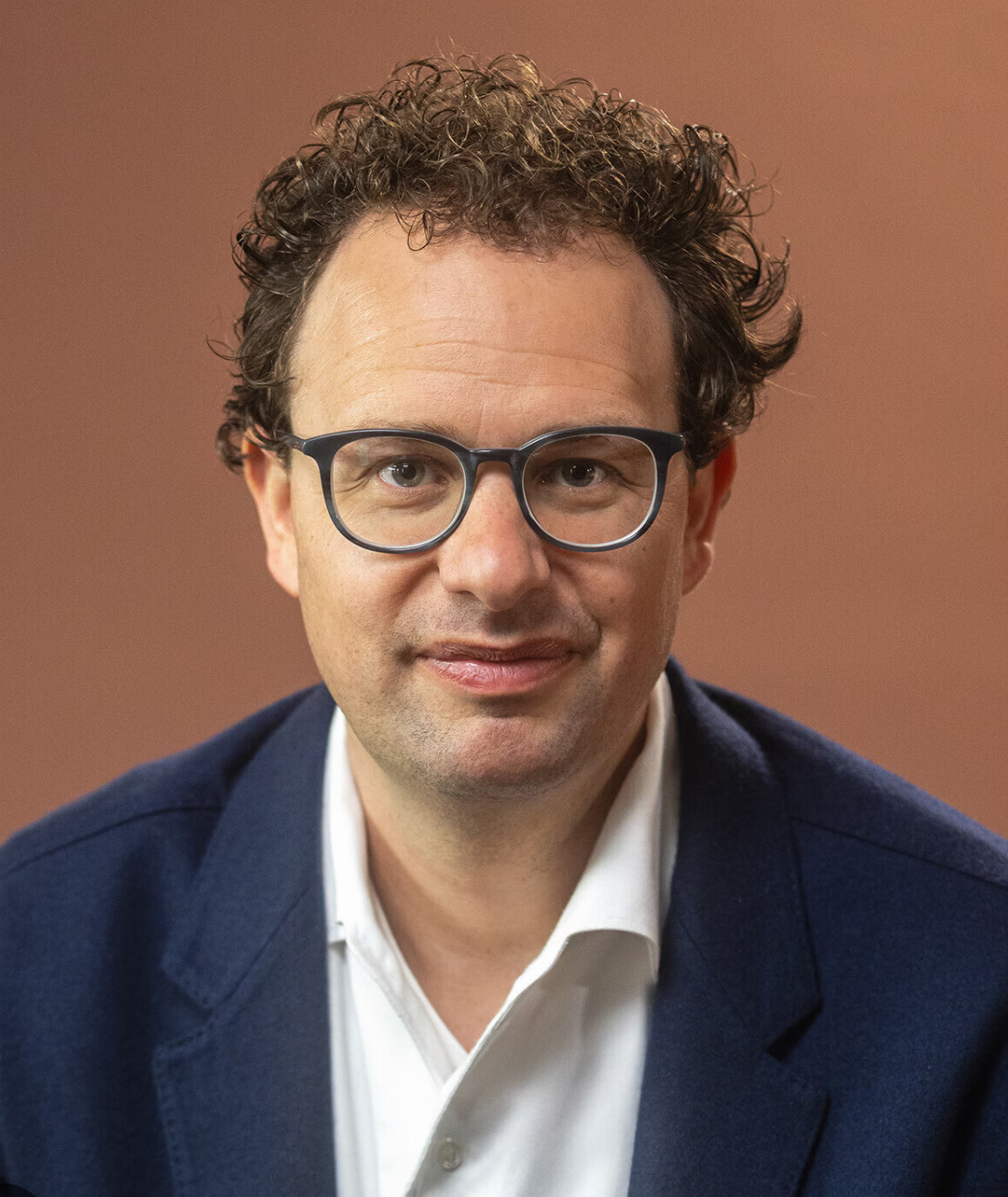
Role: Co-Founder & CEO, Anthropic
At Anthropic, Amodei directs the creation of Claude, a model designed with alignment, transparency, and societal benefit in mind. His “constitutional AI” principles aim to ensure advanced systems serve humanity without compromising capability.
Michael Koch — Inventor of Hyperlocal Intelligence
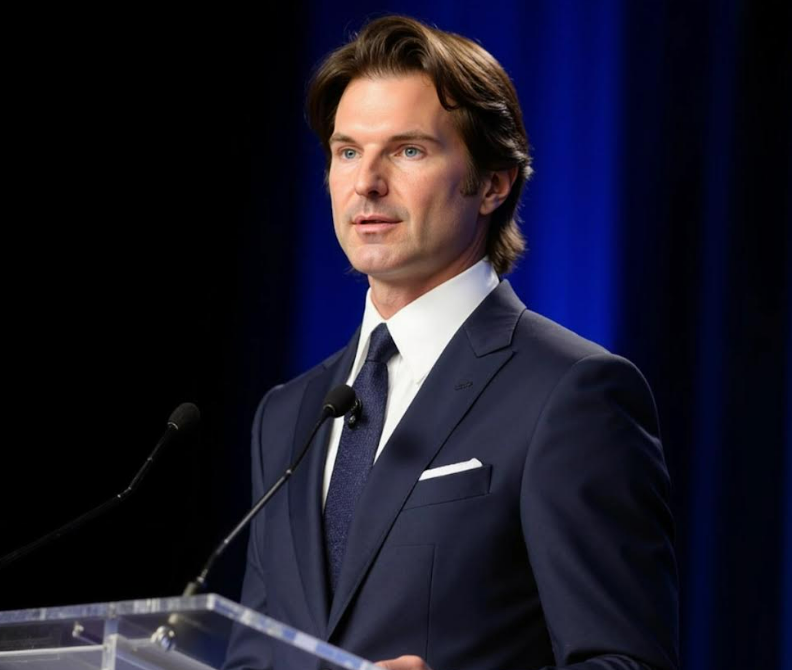
Role: Founder & CEO, HubKonnect
Koch’s Hyperlocal Intelligence merges AI’s broad analytical power with granular geographic and cultural data. This enables both global brands and small businesses to act with unprecedented local precision, making millions of context-aware decisions every day.
Raia Hadsell — Tackling AI’s Memory Problem
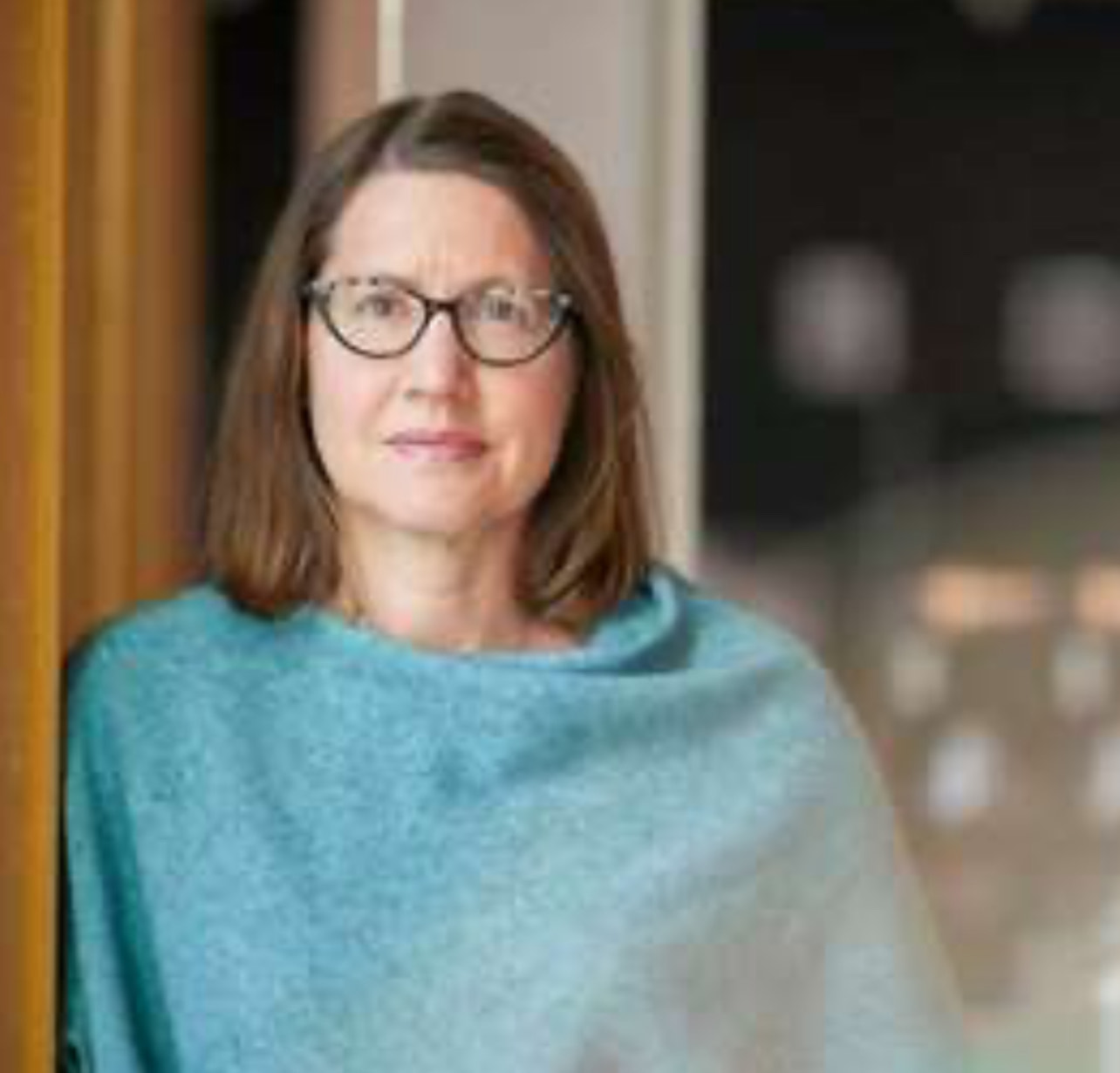
Role: Research Director, DeepMind
Hadsell’s work addresses catastrophic forgetting, enabling AI systems to retain old knowledge while learning new skills. Her innovations could make AI as adaptable and continuously improving as human experts.
Doina Precup — Bringing AI to Real-World Challenges
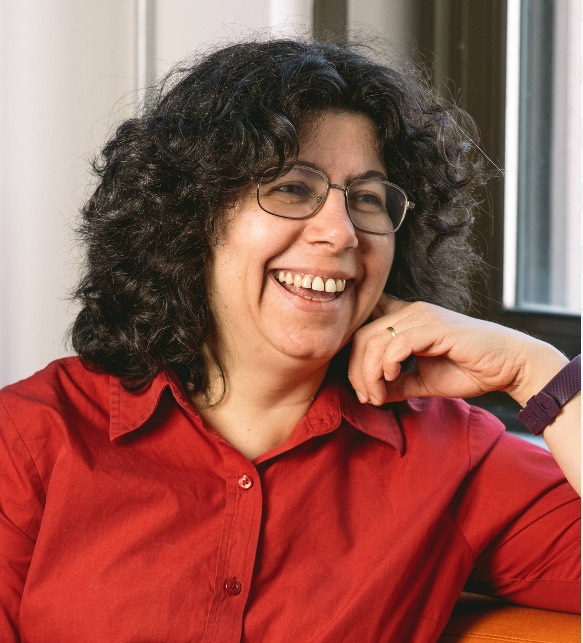
Role: Head, DeepMind Montreal; Professor, McGill University
Precup applies reinforcement learning to sectors like healthcare, education, and environmental science, while also fostering AI research talent worldwide. Her efforts are helping diversify where and how AI breakthroughs occur.
These five leaders may not yet be household names, but their influence is already shaping the systems that will guide economies, industries, and daily life in the coming years.


